
What Microsoft’s annoying paperclip can teach higher education about AI adoption today
AI Did Not Begin With ChatGPT
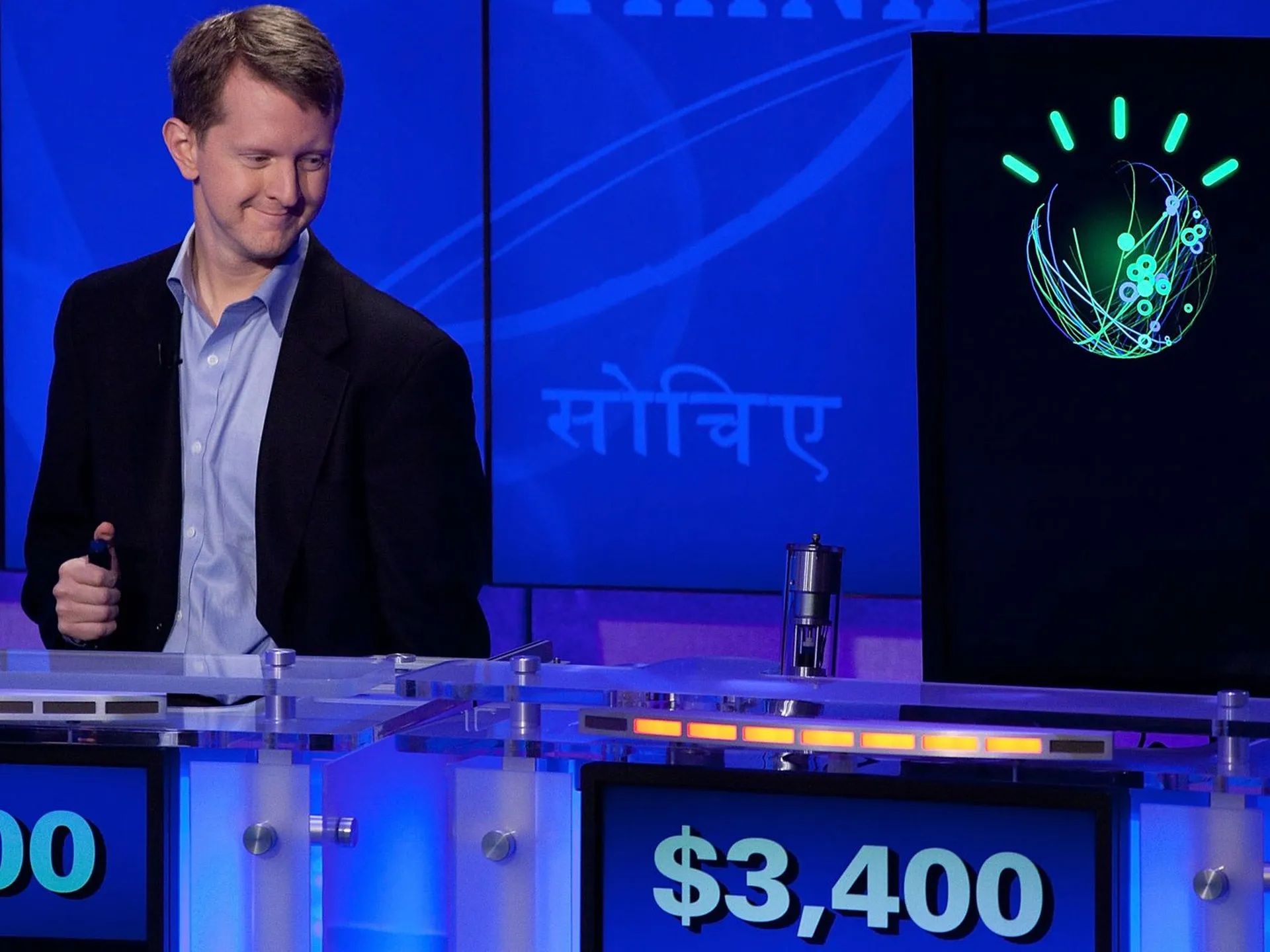
Clippy was one early glimpse. Clippy watched what we were doing and attempted, sometimes, a little too enthusiastically to anticipate when we needed help. Then, in 2011, IBM’s Watson stepped onto the Jeopardy! stage and defeated two of the game show’s most successful champions finishing a three day winning streak of $77,147. Suddenly, AI was not just a paperclip popping up in a Word document. We were watching a computer analyze language, interpret questions, and compete with humans on national television.
Around the same time, AI started moving into our everyday lives in a much more personal way. Siri arrived on the iPhone, followed a few years later by Amazon’s Alexa. We became comfortable asking technology for directions, weather updates, restaurant recommendations, music, reminders, and answers to everyday questions. Search engines predicted what we were trying to find. Streaming platforms recommended what we might want to watch next. Email systems filtered spam, completed sentences, and suggested responses.
None of these technologies were full generative AI systems we use today, but taken together, they show progression. Clippy tried to anticipate what we needed. Watson demonstrated what machines could understand. Siri and Alexa made talking to technology feel normal. And generative AI took that relationship one step further by allowing us to create, analyze, question, and collaborate with a system through conversations and prompting.
So, no, AI did not suddenly appear overnight. We were getting acquainted with it all along. It just kept changing its appearance.
What Changed Was the Conversation
Higher Education Has Been Here Before

There
is another lesson hiding inside our collective memory of Clippy. New
technology does not automatically become useful in higher education simply because it is impressive. Clippy was designed to help not only the letter writer, but the learner setting up a document for a paper. Yet the paperclip office assistant became a frequent target of frustration and mockery. Because the
assistance Clippy offered was often wrong at the time or without enough
understanding of the user's needs.
Microsoft
researchers have realized the limitations of Clippy and retired the
office assistant in 2007, removing the paperclip assistant feature from all
Microsoft Office products (or did they...). Like the Adele song, Rumour Has
It, Clippy was rumored to make comeback in Microsoft's AI Copilot voice assistant,
Mico. Click on Mico long enough and Clippy steps into the spotlight once again. So, what exactly is Mico?
In October 2025, Microsoft introduced Mico, an animated character for Copilot Voice designed to listen, react, and visually respond during conversations. Microsoft described Mico as part of its effort to make interactions with Copilot feel warmer and more natural. Tucked inside Mico was a little piece of Microsoft history. Repeated clicking on Mico triggered a hidden easter egg that transformed Mico into Clippy the paperclip. Clippy had entered the generative AI era, but apparently, even AI assistants have career changes. Like Clippy, Mico was not fully embraced by users testing its functions.
As of August 2026, Microsoft is
removing Mico from the regular Copilot Voice experience and moving the
character into Learn Live,
where Mico will continue as an animated tutoring character. Copilot Voice
itself remains, but the Mico character is being repositioned to the education
learning live platform. Microsoft says the change is rolling out in waves
beginning this month and once again, Clippy remains unemployed and the odd paperclip no one wants.
There is
something almost poetic and sad about that progression. Clippy began as an assistant
trying to figure out whether we were writing a letter. Nearly 30 years later,
Clippy’s successor Mico with better capabilities is being moved into a learning environment built around an
AI tutor. Both Clippy and Mico were meant to be helpful, friendly assistant tools that users were to embrace when completing a task. Decades apart, even with technological advancements, this was not the case. You can read more about Mico’s and Clippy’s retirement in the
TechBuzz newsfeed: The emotive yellow blob joins Clippy in
Microsoft's graveyard of retired assistants.
Technology changes. Today, those
changes are quickly happening at faster speeds. For higher education the
question still remains, what makes technology genuinely helpful or not? And
that question should sound familiar in higher education because we have been asking it, forever. Today, institutions are
exploring AI tutoring systems, writing assistants, analytics platforms,
automated advising, content-generation tools, faculty productivity tools, and
countless other AI-enabled applications. The default question is often, what can this tool do? But
capability should not be our only standard. We also need to ask:
What problem
are we trying to solve?
A tool can be impressive and still be unnecessary. It can save time while creating new problems somewhere else. It can produce an answer without strengthening understanding. And it can help without actually improving the experience of the person receiving or using it. Higher education does not need AI everywhere simply because AI can be everywhere. We need it where it adds meaningful value to teaching and learning.
From Clippy to Critical Judgment
That requires more than technical skill. It requires critical thinking and it requires AI literacy. It also requires conversations about pedagogy, ethics, course design, institutional strategy, and the role we want technology to play in education.
This is one of the ideas I explore in LumenVie’s “AI Is Already Here” free sample module. Understanding AI begins not with the newest tool, but by recognizing the historical relationships we have already developed with intelligent technologies of the past. This is a part of the larger digital literacy conversation that needs to happen in higher education to better understand how we arrived at this moment of AI integration within our institutions. AI did not suddenly knock on higher education’s door. In many ways, it has been sitting in the classroom for quite some time waiting to raise its hand and be noticed. It just stopped looking like a popup paperclip.